China’s Modernisation Comes With a Deeper Surveillance State
A correspondent returning to China after decades describes striking material progress alongside a more pervasive surveillance state. For India, the contrast raises questions about how to pursue world-class infrastructure without compromising liberty and accountability.
BharatVox Editorial Desk ·
Key takeaways
- The returning correspondent describes a wealthier, visibly transformed China.
- The account pairs high-speed rail and striking skylines with a more pervasive surveillance state.
- The supplied summary contains no detailed surveillance examples or supporting figures.
- BharatVox’s view: India should pursue infrastructure excellence without treating intrusive monitoring as a prerequisite.
China’s transformation: prosperity alongside surveillance
A return to China after decades away has produced a sharply contrasting portrait: impressive material development alongside an increasingly intrusive apparatus of state surveillance. In an account published on October 11, The New York Times describes a correspondent encountering a richer country that also appears more consumed by suspicion and control.

What did the returning correspondent find?
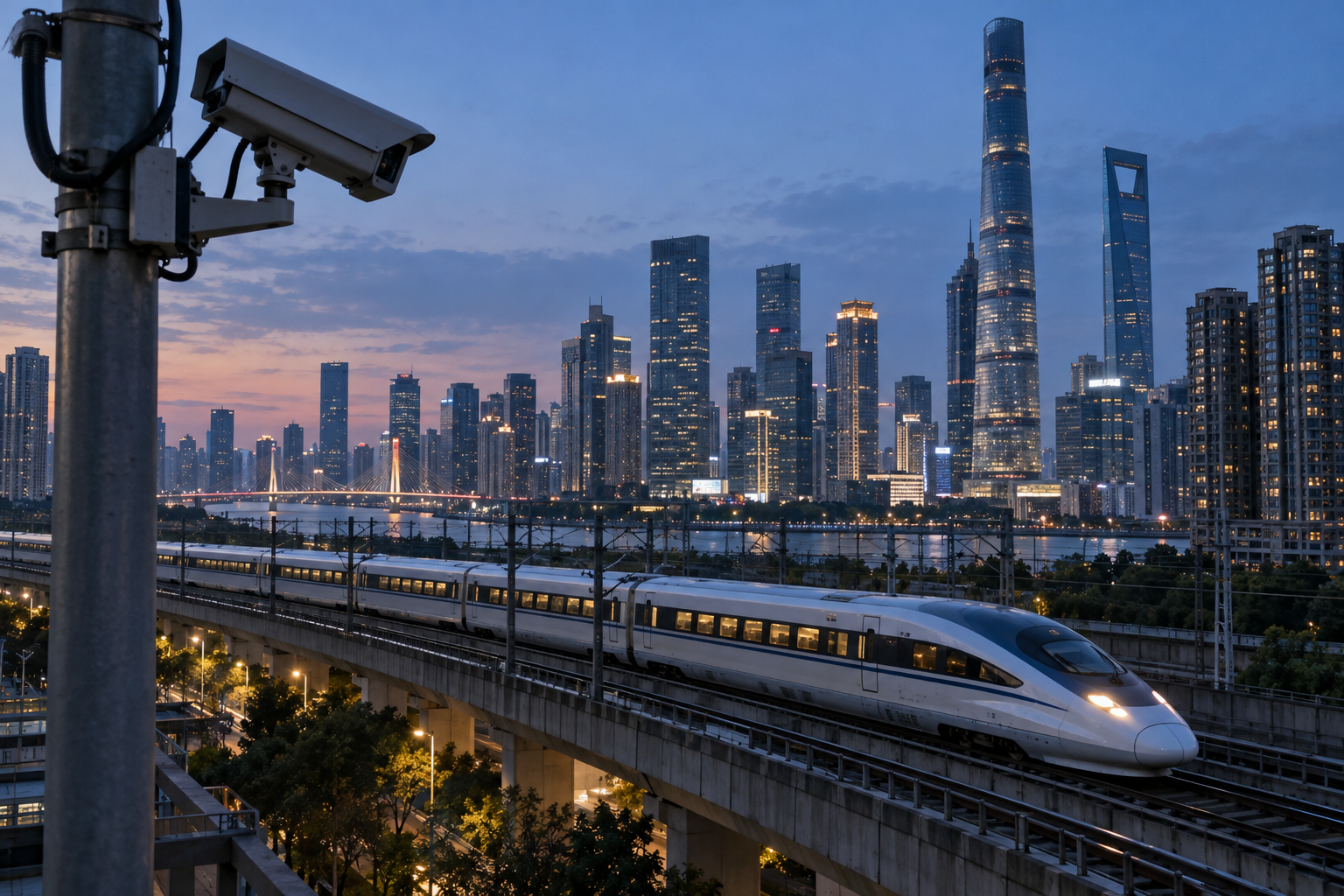
Bullet trains and dazzling urban skylines are the account’s visible markers of China’s transformation. They sit alongside the correspondent’s assessment that surveillance has become more pervasive than before.
The supplied summary offers no specific examples of monitoring, named individuals or measurements of its reach. Its description of heightened paranoia should therefore be understood as the correspondent’s characterisation, not a quantified finding.

What does this account establish—and leave unanswered?
The account places physical modernisation and political control in the same frame, but the available summary does not establish a causal relationship between them. Nor does it explain how surveillance affects different communities, businesses or everyday activities.
That distinction matters: visible infrastructure and an observer’s assessment of the political atmosphere are different kinds of evidence. The limited material supports a concise account of that contrast, rather than sweeping conclusions about every aspect of life in China.

The BharatVox View
India should study China’s infrastructure achievements without assuming that pervasive surveillance is a necessary ingredient of national strength. Efficient transport, competitive enterprise and technological innovation are goals worth pursuing on their own merits.
Security is a legitimate responsibility of the state, but monitoring powers should be lawful, proportionate and accountable. India’s development ambition should combine prosperity with dignity—judging progress not only by what governments build, but also by the freedom citizens retain.
Frequently asked questions
What did the reporter find on returning to China?
The correspondent describes major material changes, including bullet trains and dazzling skylines, alongside a more pervasive surveillance state.
Does the account quantify surveillance in China?
The supplied summary provides no figures, specific monitoring incidents or measurements of surveillance coverage.
Why is China’s modernisation relevant to India?
It offers a development comparison. BharatVox’s assessment is that India should learn from infrastructure achievements while preserving liberty, enterprise and accountable government.
Fact-check this story · Originally reported by The New York Times: A Reporter Returns to China to Find it Richer, but Also Highly Paranoid.. Reporting by BharatVox; any opinion is separately labelled.
Join the conversation (0)
Sign in to share your view on this story.