CJP Protests: Supreme Court Orders Unneeded Barricades Removed
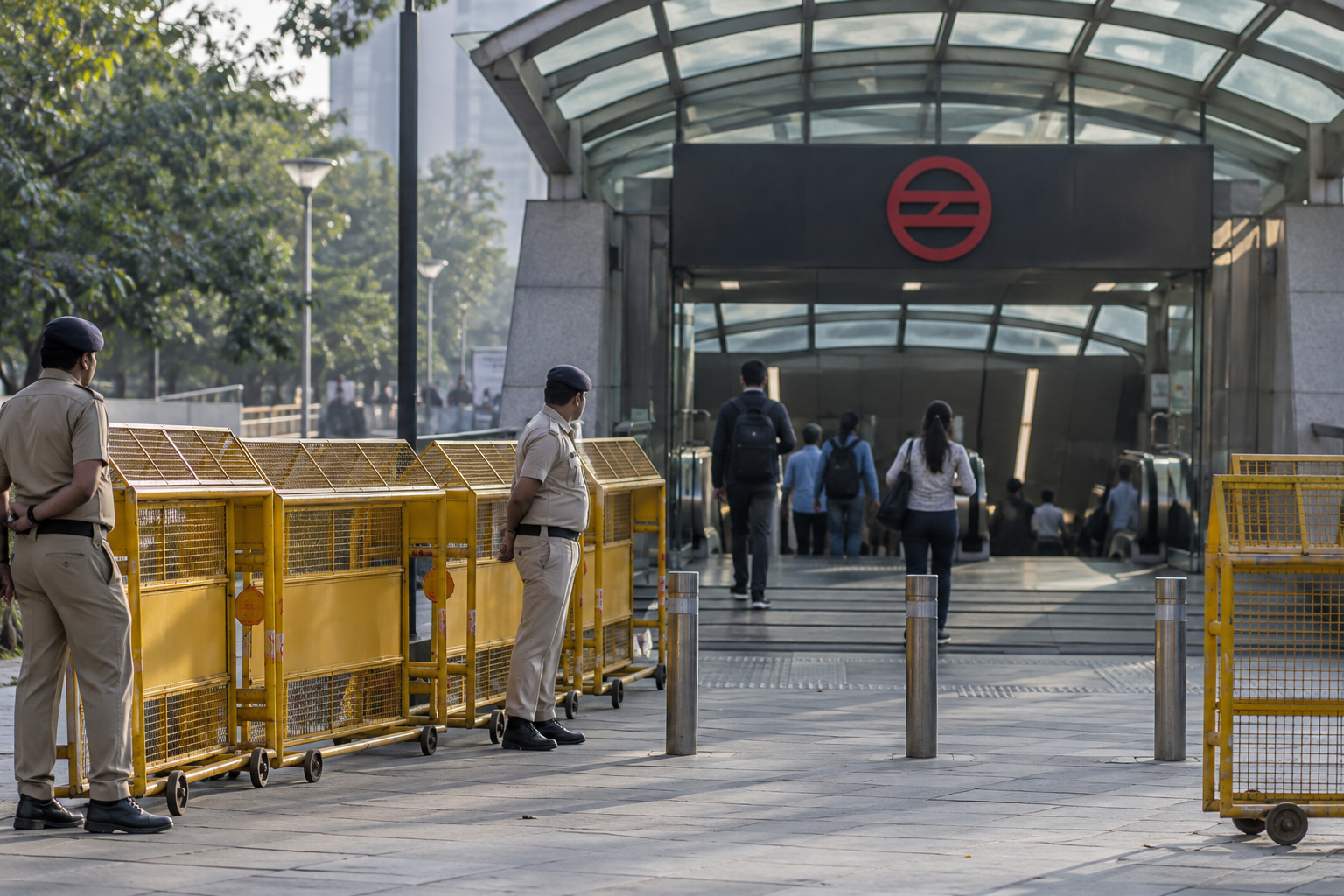
The Supreme Court reportedly directed authorities to remove barricades unless absolutely necessary and withdraw Section 163 restrictions during a special hearing on Delhi Metro closures linked to CJP protests. The supplied report does not establish whether the directions have been implemented.
BharatVox Editorial Desk ·
Key takeaways
- The court reportedly directed that barricades remain only where absolutely necessary.
- Authorities were also told to withdraw restrictions imposed under Section 163 of the BNSS.
- The hearing concerned Delhi Metro closures amid CJP protests.
- The supplied account does not confirm implementation or identify station reopening times.
What did the Supreme Court direct?
The Supreme Court directed authorities to remove barricades unless they were absolutely necessary during a special hearing concerning Delhi Metro closures amid CJP protests, according to India Global Review. It also directed the withdrawal of restrictions imposed under Section 163 of the Bharatiya Nagarik Suraksha Sanhita (BNSS).

Delhi Metro closures: What remains unclear?
The reported hearing concerned Metro closures associated with the protests, but the supplied account does not identify affected stations or say when services would resume. It also does not confirm whether barricades have been removed or the gathering restrictions withdrawn.

What is Section 163 of the BNSS?
Section 163 empowers designated magistrates to issue urgent orders in cases of nuisance or apprehended danger. Such orders can restrict public gatherings; the provision is not itself a permanent, blanket prohibition on assembly.
The supplied account describes gathering restrictions imposed under this provision but does not provide their exact wording or geographical scope. The full court order would be needed to establish the precise reach of the reported directions.
The BharatVox View
Protecting public order and preserving lawful movement and peaceful assembly are complementary duties. Restrictions should be tied to demonstrable necessity, rather than allowing broad disruption to become the default response.
For India's cities, predictable access to public transport also supports work, commerce and daily life. The sound approach is proportionate security, clear public communication and prompt compliance with judicial directions.
Frequently asked questions
What did the Supreme Court say about CJP protest barricades?
It reportedly directed authorities to remove barricades unless they were absolutely necessary.
Did the Supreme Court order Delhi Metro stations to reopen?
The supplied report concerns a hearing on Metro closures but does not specify a station reopening order or timetable.
What is Section 163 of the BNSS?
It allows designated magistrates to issue urgent preventive orders in cases of nuisance or apprehended danger, including restrictions on gatherings.
Have the CJP protest restrictions been lifted?
The report says the court directed their withdrawal, but it does not confirm that authorities have implemented the direction.
Fact-check this story · Originally reported by India Global Review: CJP Protest LIVE: Supreme Court Tells Centre to Remove Unnecessary Barricades Amid CJP Protests. Reporting by BharatVox; any opinion is separately labelled.
Join the conversation (0)
Sign in to share your view on this story.