Indian Elections: Why Protecting Public Trust Matters
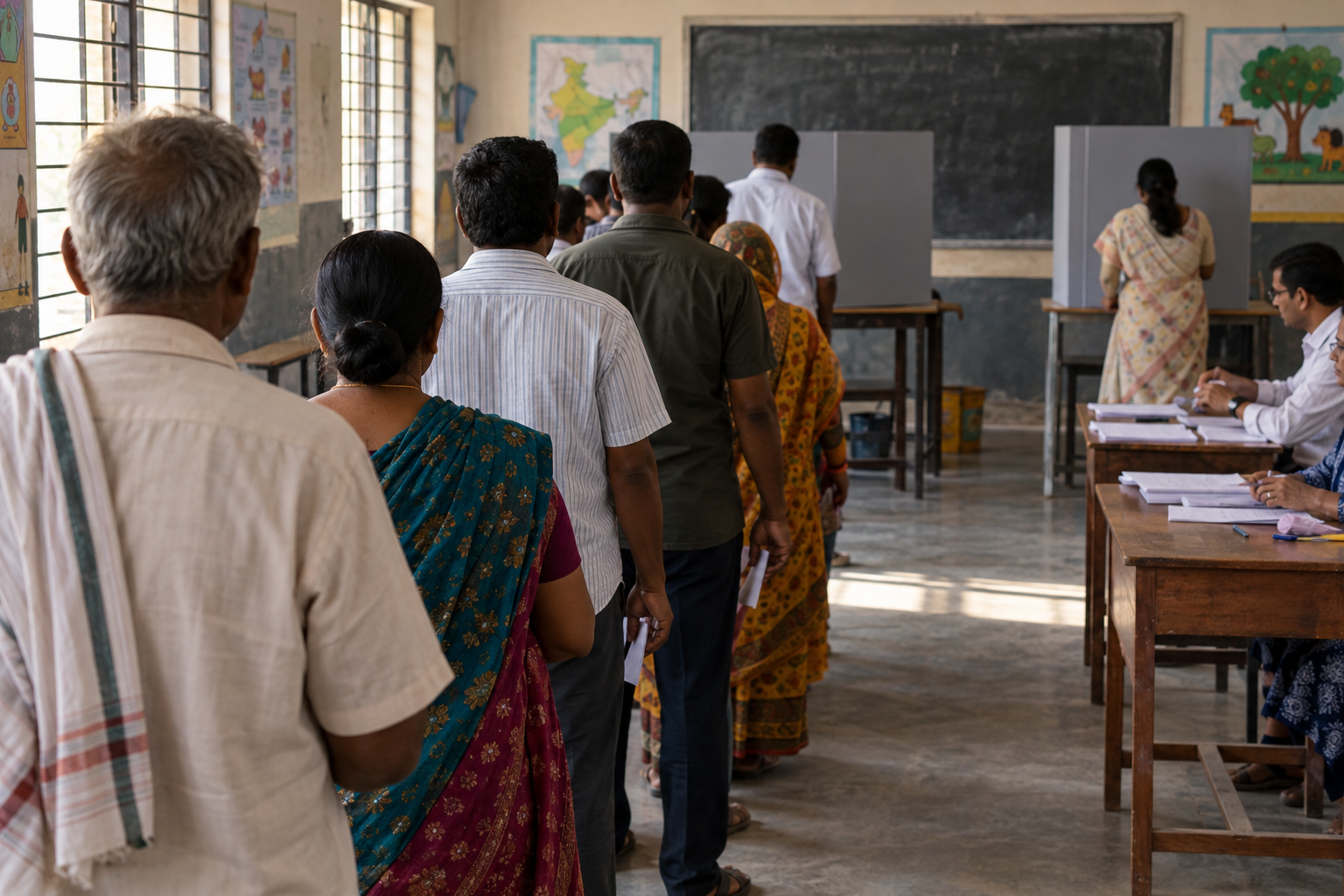
A headline highlighting the need to preserve the standing of Indian elections raises a fundamental democratic concern: public confidence. The supplied item contains no full article, so this explainer distinguishes established constitutional background from BharatVox analysis.
BharatVox Editorial Desk ·
Key takeaways
- The supplied listing raises an electoral-credibility theme but contains no specific allegations or reform proposals.
- Article 324 defines the Election Commission of India's central constitutional responsibilities.
- Adult suffrage underpins elections to the Lok Sabha and state legislative assemblies.
- BharatVox argues that evidence-led scrutiny and impartial administration are essential to public confidence.
Indian elections: what does the source establish?
A commentary headline from The Hindu, carried in the supplied Google News India listing, highlights the importance of preserving the standing of Indian elections. The available material includes a headline and publication details, but not the article itself.
It therefore does not establish any particular electoral irregularity, institutional criticism or proposed reform. Attributing such details to the author would go beyond the evidence provided.

What constitutional safeguards govern Indian elections?
Article 324 of the Constitution entrusts the Election Commission of India with the superintendence, direction and control of electoral rolls and elections to Parliament, state legislatures, and the offices of President and Vice-President. Elections to local bodies fall under separate state election commissions.
Article 326 provides for elections to the Lok Sabha and state legislative assemblies on the basis of adult suffrage, subject to constitutional and legal eligibility conditions. These provisions place electoral participation within India's constitutional framework.

What cannot be concluded from this headline?
The listing does not identify a disputed result, a court ruling or a new Election Commission decision. It should not be treated as evidence that a particular election was compromised.
The original article would be needed to assess its reasoning, evidence and recommendations. The constitutional context here is background, not a reconstruction of the unavailable commentary.
The BharatVox View
India's democratic credibility is a national asset, grounded first in the confidence of its own citizens. Protecting it requires both rigorous scrutiny of electoral administration and restraint against presenting untested allegations as established wrongdoing.
Clear procedures, accessible explanations and fair handling of complaints can strengthen that confidence. The duty of institutions is impartial service; the corresponding duty of political actors and public commentators is fidelity to evidence.
Electoral reform should be judged by whether it protects equal participation and makes administration more accountable without creating unnecessary barriers for voters. India's dignity is best served by institutions strong enough to welcome scrutiny and citizens equipped to distinguish fact from assertion.
Frequently asked questions
Does the supplied report identify problems in a specific Indian election?
No. The supplied material is a headline listing, not the full article, and identifies no specific irregularity.
What does Article 324 of the Constitution cover?
It entrusts the Election Commission of India with oversight of electoral rolls and elections to Parliament, state legislatures, and the offices of President and Vice-President.
Who oversees municipal and panchayat elections?
State election commissions oversee elections to local bodies under separate constitutional provisions.
Why does public trust in Indian elections matter?
Public trust supports confidence in representative government. BharatVox's view is that transparent administration and evidence-based scrutiny help sustain it.
Fact-check this story · Originally reported by Google News India: The need to preserve the shine of Indian elections - The Hindu. Reporting by BharatVox; any opinion is separately labelled.
Join the conversation (0)
Sign in to share your view on this story.