Strait of Hormuz: Iran Rejects US Reply to Seven Conditions
Iran has rejected the US response to seven conditions for reopening the Strait of Hormuz, according to the source report. The supplied account does not detail the conditions or establish the current extent of shipping restrictions. For India, the waterway's importance to Gulf energy trade makes the dispute consequential.
BharatVox Editorial Desk ·
Key takeaways
- Iran reportedly rejected the US response to seven conditions for reopening the Strait of Hormuz.
- The supplied material does not disclose the conditions or the substance of the US reply.
- The extent of shipping restrictions and any impact on Indian cargoes remain unestablished.
- India has a strong interest in reliable Gulf energy trade and safe commercial navigation.
Strait of Hormuz: What has Iran rejected?
Iran has rejected the US response to seven conditions for reopening the Strait of Hormuz, judging it insufficient, India Today reported. The rejection leaves a disagreement over reopening unresolved in the supplied account.

What remains unclear about the conditions?
The supplied headline and summary do not identify the seven conditions or explain Washington's response. They also do not establish the extent of restrictions on shipping, which vessels are affected, or when further discussions might occur.
The reference to reopening should therefore not be read as confirmation that all traffic through the strait has stopped. The available material does not support that conclusion.

Why does the Strait of Hormuz matter to India?
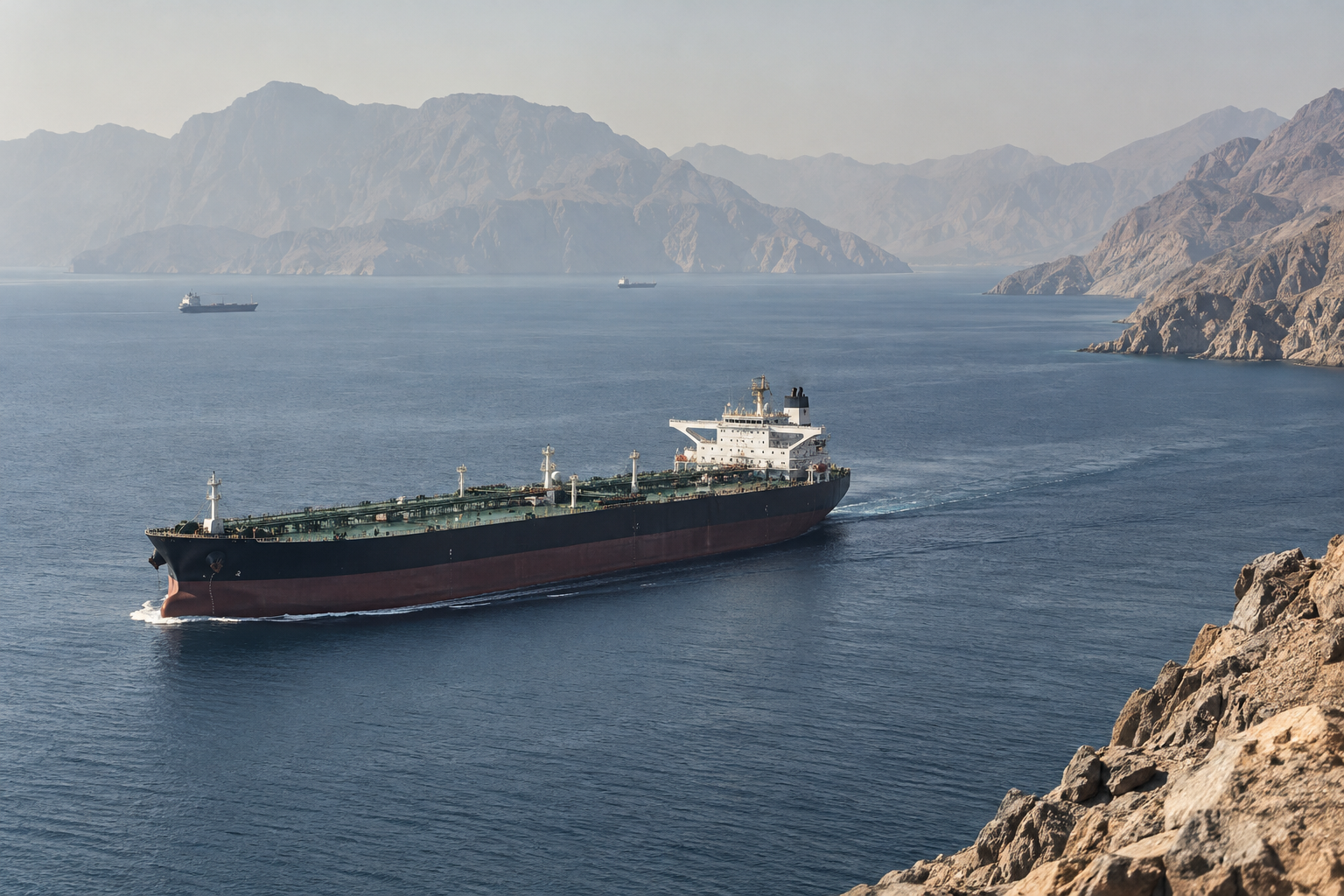
The Strait of Hormuz connects the Persian Gulf with the Gulf of Oman and is a major passage for international oil and liquefied natural gas shipments. India imports substantial energy supplies from the Gulf, making reliable maritime access an important national interest.
The supplied report does not identify any disruption to Indian cargoes or quantify an effect on domestic energy prices.
The BharatVox View
India's priority should be dependable energy access and the safety of commercial shipping, supported by calm diplomacy that respects every nation's dignity. An unresolved dispute at this chokepoint warrants attention, but not unsupported claims of an imminent supply crisis.
Diversified sourcing and competitive supply arrangements can strengthen resilience. Equally important is a disciplined distinction between a reported diplomatic rejection and a verified interruption of trade.
Frequently asked questions
Why did Iran reject the US response on the Strait of Hormuz?
The report says Iran considered the response insufficient. The supplied material does not explain which demands were unmet.
What are Iran's seven conditions for reopening the strait?
The seven conditions are not listed in the supplied headline or summary.
Is the Strait of Hormuz completely closed?
The supplied account refers to reopening but does not establish whether all shipping has stopped or describe the scope of restrictions.
How could the Strait of Hormuz dispute affect India?
India relies on energy imports from the Gulf, so shipping disruption could create supply and cost risks. No specific impact on India is established by the supplied report.
Fact-check this story · Originally reported by India Today: Insufficient: Iran rejects US response to 7 conditions for reopening Strait of Hormuz. Reporting by BharatVox; any opinion is separately labelled.
Join the conversation (0)
Sign in to share your view on this story.