418 review roundup: Strong atmosphere, repetitive scares
A review of the Prashanth Neel-backed 418 credits its eerie visuals and social themes but finds that slow pacing, repeated scares and an uneven finale undermine the horror.
BharatVox Telugu Desk · 2 hr ago · మూలం: India Today
ఈ కథనం భారత్వాక్స్ ఆంగ్ల మూలం నుండి తెలుగులోకి అనువదించబడింది. ఆంగ్ల మూలం చదవండి →
తెలుగు అనువాదం సిద్ధమవుతోంది… (మొదటిసారి కొద్దిగా సమయం పట్టవచ్చు)
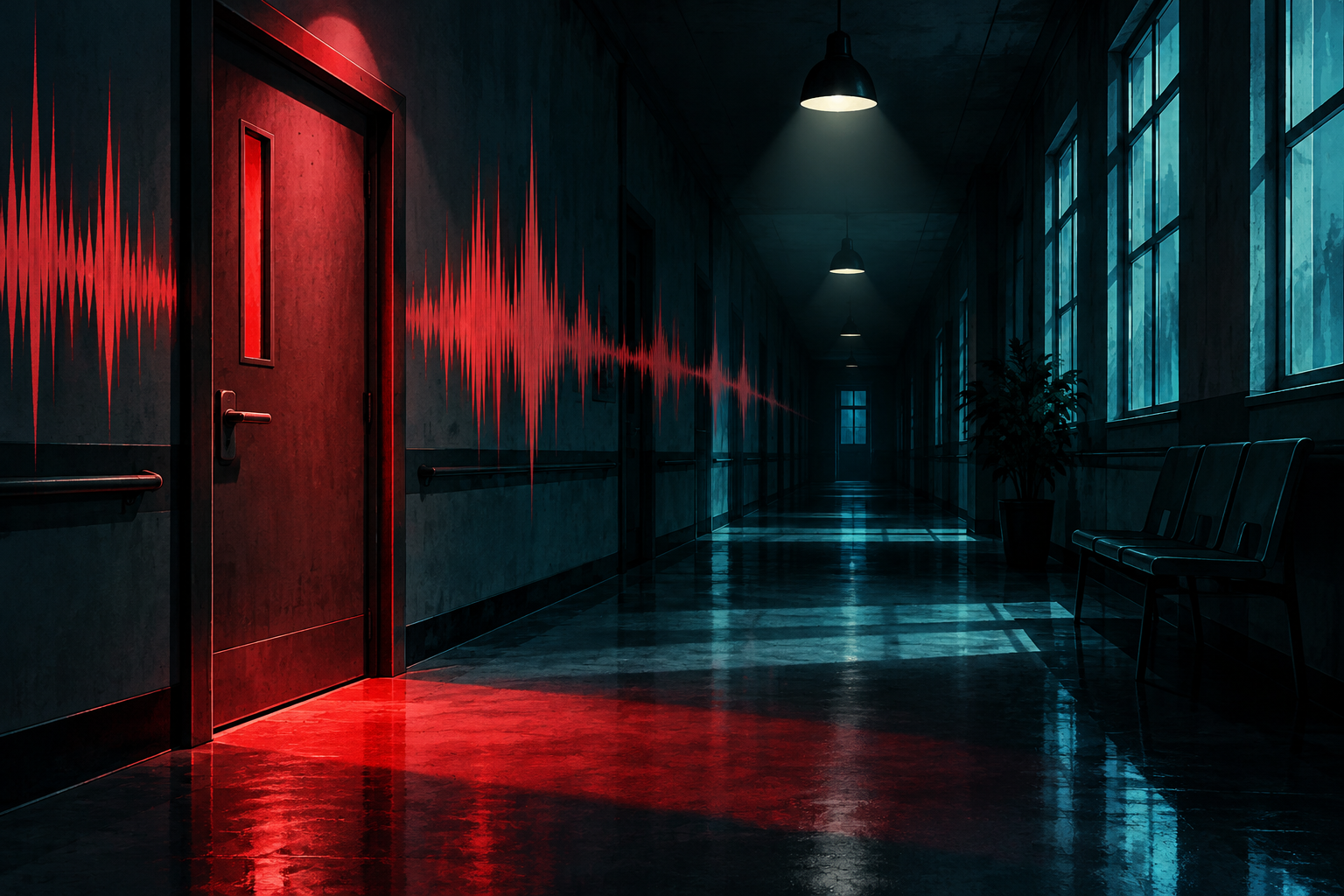
The Prashanth Neel-backed horror film 418 has reached theatres after several delays, with its unsettling atmosphere earning more praise than its storytelling. In its October 23 review, India Today describes director Kirtan Nadagouda’s film as an ambitious but uneven effort, weakened by sluggish college sequences and an increasing dependence on sound-driven jump scares.
The assessment also recognises a social concern beneath the supernatural plot: the mistreatment of women and the emotional burden of anxiety and depression. Those themes, it argues, deserve attention even when the screenplay struggles to give them sufficient dramatic force.
A medical hostel with a forbidden room
Surya Raj Veerabathini plays Vivek Shankar, a young man whose parents mortgage their home to pay for his education. They take him to VIMS, a medical college in coastal Karnataka, where he moves into a recently refurbished boys’ hostel.
The building has a disturbing fictional history. Closed for 15 years, it previously housed a psychiatric institution where brutal killings occurred. Women cannot enter the hostel, while Room No. 418 is forbidden to its residents.
Vivek soon experiences apparently supernatural disturbances that leave him anxious and suspicious. A meeting with the college’s senior counsellor, played by Ramesh Indira, does not resolve his confusion. He then joins his roommate Rohith in trying to uncover the building’s secrets, even as friends dismiss his experiences as hallucinations.
An arresting opening gives way to slower storytelling
The review singles out the violent opening as an effective statement of the film’s horror ambitions. It features a severely injured, blood-covered woman attacking her caretakers before the narrative shifts to the college in 2020, shortly before India’s Covid-19 lockdown.
That transition also brings a loss of momentum, according to the assessment. Ragging scenes and a subplot in which medical students help Saisha, a patient played by Preethi Pagadala, leave hospital do little to develop the central mystery.
Devika, played by Chaithra J Achar, becomes central around the interval, when the film begins explaining the sealed room’s history. Her story introduces the familiar horror premise of a woman subjected to injustice. The circumstances surrounding her fate supply intrigue, but the broader plot remains largely foreseeable.
Visual craft stands out, but repetition limits the scares
Among the stronger passages identified in the review is a conversation between the students and the senior counsellor, distinguished by its camerawork and an unsettling lullaby associated with Devika. The film’s effort to connect supernatural horror with local beliefs and science also gives it possibilities beyond a straightforward haunting.
The criticism is that these possibilities are not developed economically. Repeated scenes concerning Devika’s desire for a child revisit the same emotional point without moving the narrative forward. Sound cues carry much of the responsibility for frightening viewers, and their recurrence becomes particularly noticeable after the interval.
Dinesh Divakaran’s cinematography receives praise for maintaining the oppressive mood, while Venky GG’s music supports the horror. The assessment is less favourable towards Akul Avinash’s editing, finding its resemblance to the style associated with KGF and Salaar increasingly tiring.
Without detailing the ending, the review distinguishes between an effective late twist involving the forbidden room and a less persuasive final revelation connecting Devika and Saisha. Its overall judgement is that 418 has atmosphere and worthwhile concerns, but not the narrative discipline needed to sustain its terror.
ఈ కథనం భారత్వాక్స్ ఆంగ్ల మూలం నుండి తెలుగులోకి అనువదించబడింది. ఆంగ్ల మూలం చదవండి →