I4C warns of PM Modi deepfake videos used in financial fraud
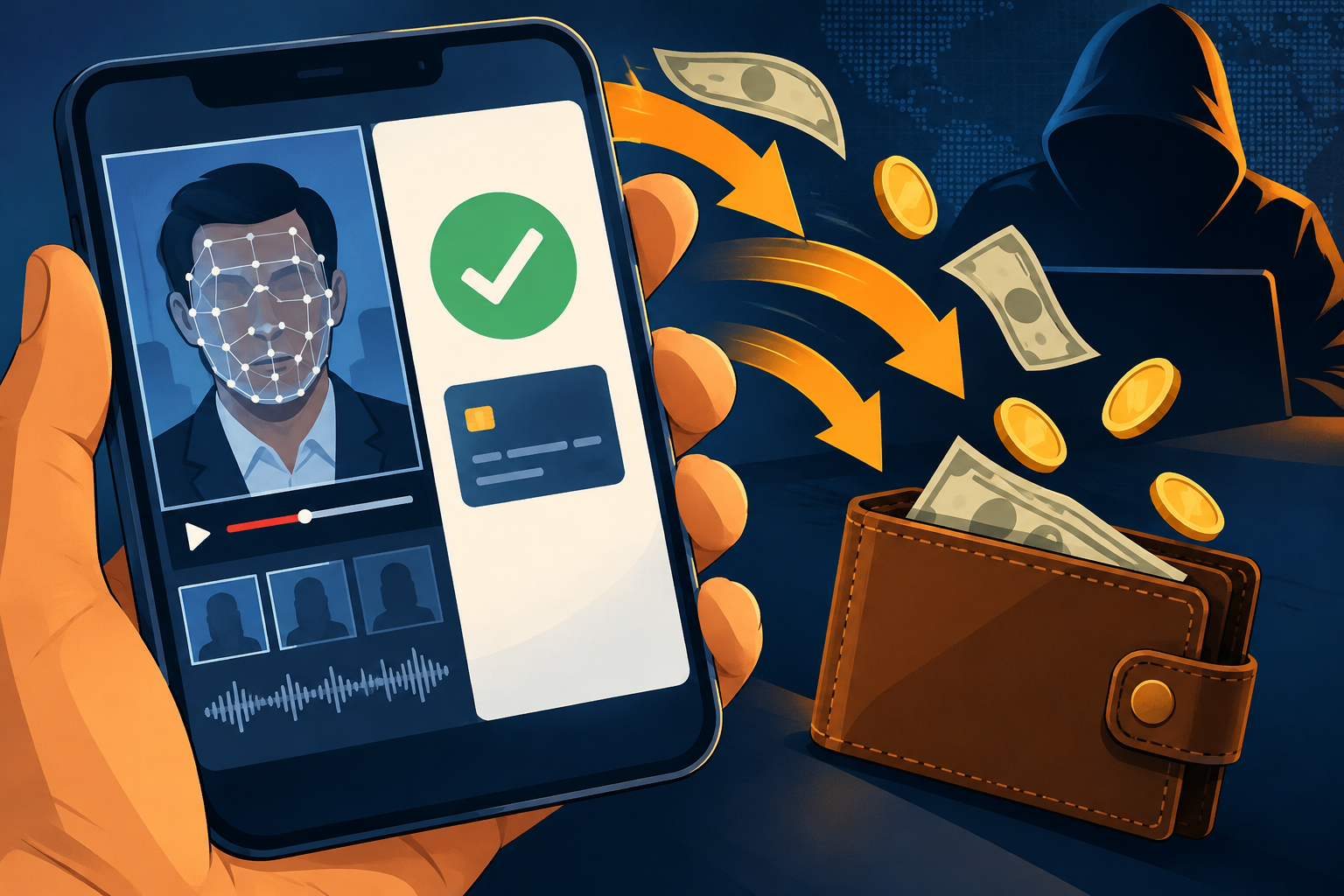
India’s cybercrime coordination centre has warned that fraudsters are using manipulated videos of public officials to advertise fictitious welfare benefits. Its advisory also flags cashback traps that turn supposed prize receipts into outgoing UPI payments.
BharatVox Telugu Desk · 19 Oct 2026 · మూలం: The Economic Times
ఈ కథనం భారత్వాక్స్ ఆంగ్ల మూలం నుండి తెలుగులోకి అనువదించబడింది. ఆంగ్ల మూలం చదవండి →
తెలుగు అనువాదం సిద్ధమవుతోంది… (మొదటిసారి కొద్దిగా సమయం పట్టవచ్చు)
The Indian Cyber Crime Coordination Centre (I4C) warned on October 19 of increasing financial fraud through Facebook and Instagram advertisements featuring manipulated videos of Prime Minister Narendra Modi, the finance minister and chief ministers. The advertisements promote fictitious government welfare schemes, The Economic Times reported, citing an advisory from the National Cybercrime Threat Analytics Unit (NCTAU).
The advisory describes two routes used to take money from victims: demands for upfront charges to unlock supposed government assistance, and cashback offers that deceive users into authorising payments. I4C urged people to check scheme claims on official government websites rather than trust videos or voice recordings of public officials.
Fake benefits followed by demands for fees
Fraudsters draw people in with promises of financial support or cashback, then demand money described as tax, processing costs or registration charges. The advertisements lead users to phone numbers, WhatsApp conversations or fraudulent websites.
Some victims also receive calls from international numbers, particularly numbers bearing Pakistan’s +92 country code, with callers claiming they have been chosen for financial benefits. The advisory’s reference to a country code does not establish who operates the calls or where those operators are located.
I4C said victims often pay more than once, allowing losses to accumulate. It also flagged deceptive advertisements appearing in the political-advertising category.
How a cashback offer becomes an outgoing payment
In the cashback scams described by the advisory, users are sent to websites offering scratch cards or spin-and-win prizes. They are then persuaded to approve UPI collect requests or enter their UPI PINs, supposedly to receive their winnings.
Those actions instead move money out of their accounts and into accounts used by fraudsters. The agency emphasised that a UPI PIN authorises a payment, not the receipt of money, and advised users to examine both the recipient and the purpose of each request before approving it.
Check official sources before sharing details
The agency advised users to confirm the identity of anyone claiming to act for a government department and to verify welfare schemes directly through official government websites.
It also urged caution before sharing Aadhaar or PAN details, bank information or one-time passwords with unknown people. A video or voice recording featuring a public official should not be treated as proof of a scheme’s authenticity without checking the claim through official sources.
ఈ కథనం భారత్వాక్స్ ఆంగ్ల మూలం నుండి తెలుగులోకి అనువదించబడింది. ఆంగ్ల మూలం చదవండి →