CINEMA
Why Bollywood keeps returning to the female ghost
Female spirits give Hindi horror a way to combine fear with stories of injustice, revenge and humour. Filmmaker Sanjay Chhel and trade analyst Girish Johar offer cultural and commercial explanations for the recurring screen figure.
BharatVox ·
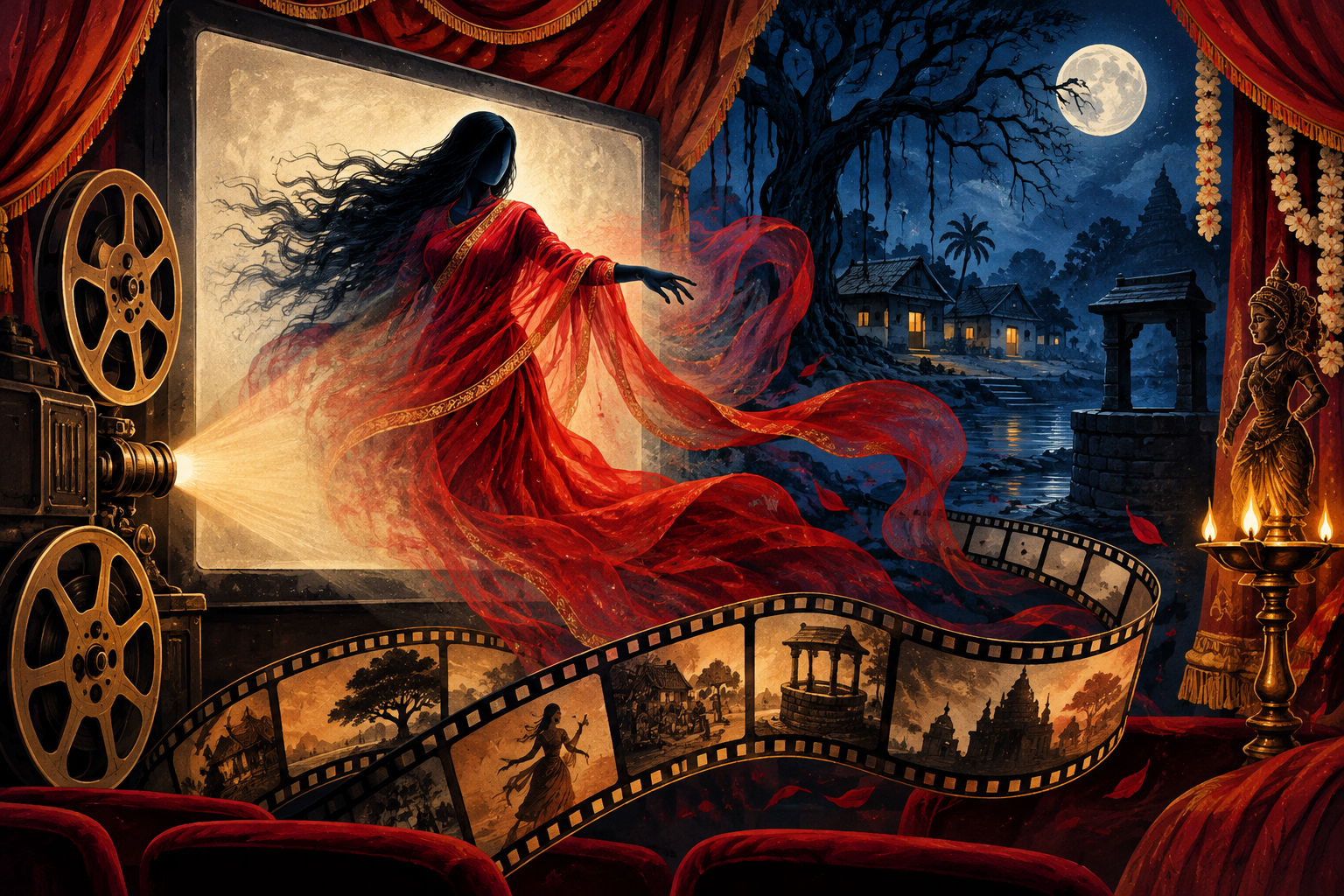
Why does the female ghost occupy such a prominent place in Hindi cinema? Filmmaker and writer Sanjay Chhel and trade analyst-producer Girish Johar point to a combination of inherited folklore, audience sympathy for women facing injustice, and stories that can move between scares, comedy and emotional drama.
Speaking to India Today for an October 17 feature, the two offered explanations for a recurring figure in films as different as Stree, Bulbbul and Phillauri. Their observations describe a storytelling tradition rather than a measured industry trend: the feature does not present a count of female and male supernatural characters or comparative box-office data.
Folklore supplies the fear—and the backstory
Chhel, whose writing credits include Rangeela, Yes Boss and Partner, links the screen image to cultural beliefs about suffering women and the chudail. He points to the practice of labelling women as witches in village settings as one influence on the familiar cinematic figure. That is an explanation of a social belief, not an endorsement of supernatural accusations against women.
Johar approaches the character through the association of femininity with Shakti, affection and care. In his reading, a frightening female character invites viewers to ask what happened to her before she became threatening. The revelation of an injury or betrayal can turn an apparent antagonist into someone the audience understands.
“No one is negative by choice; when you reveal the actual reason behind them turning grey, audiences feel that connection,” Johar said. His argument is about how such films build sympathy, rather than a universal explanation of human behaviour.
When haunting becomes a story of injustice
Anvita Dutt’s Bulbbul, starring Triptii Dimri, provides one example of horror being used to address domestic abuse and female anger. Its supernatural imagery sits alongside a story about violence against women, giving the fear an emotional and social context.
Stree uses a different register. Men stay indoors after dark and seek protection from a female presence, reversing familiar expectations about who can move safely through public space. Humour makes that reversal central to the film’s appeal.
The examples also span different kinds of entertainment. Phillauri places a spirit within a romantic narrative, while Phone Bhoot combines supernatural characters with comic ghost-hunting. The female apparition is not confined to a single type of horror plot.
A recognisable image with commercial flexibility
Chhel also draws attention to visual presentation. He contrasts the disfigured male monster with the familiar image of a distressed woman in a white sari, her hair loose. In his interpretation, the latter can produce an immediate emotional connection because viewers recognise the suffering represented by the character. This is a reading of recurring screen conventions, not a rule that applies to every film.
For Johar, the commercial attraction lies in the range of audiences such stories can address. He argues that female-led supernatural films combining comedy and drama can appeal to women and men, families and younger viewers, rather than relying primarily on action.
Neither explanation establishes that casting a female ghost guarantees a hit. Together, however, they describe why the figure offers filmmakers several narrative possibilities: a source of fear, a wronged protagonist, a romantic presence or a comic disruption. Chhel’s broader point is that the presentation of supernatural entertainment changes while its underlying attraction—the unknown—endures.
Who's who
Sanjay Chhel
Filmmaker and writer offering a cultural interpretation of female ghosts in cinema
Girish Johar
Trade analyst and producer discussing narrative appeal and audience reach
Fact-check this story · Source: India Today: Why cinema prefers spooky bhootnis over humble bhooths on the silver screen. This AI-assisted account is based on the linked source, not independent on-the-ground reporting by BharatVox. Any opinion is separately labelled.
Join the conversation (0)
Sign in to share your view on this story.