FOOD SCIENCE
Burger-flavoured tomatoes? Teen’s gene-editing project takes root
Seventeen-year-old Gabriella Rothberg is working to engineer tomatoes that produce heme, an iron-containing molecule associated with meat flavour. Her Impossible Vines project remains experimental: burger-like taste and meaningful nutritional benefits have not yet been established.
BharatVox ·
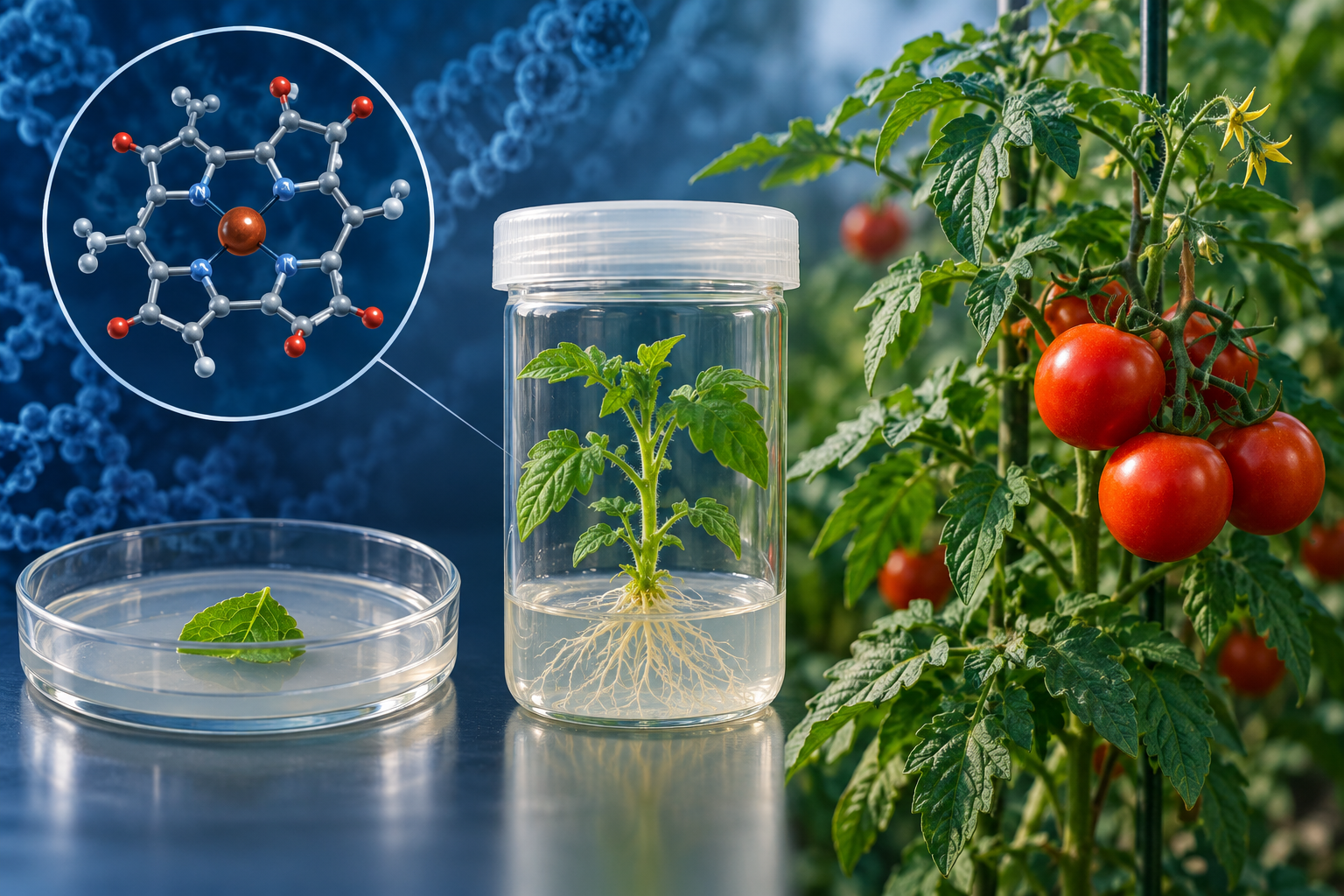
A tomato with a different flavour in mind
A tomato that delivers the flavour of a beef burger is the ambition behind a genetic engineering project led by 17-year-old Gabriella Rothberg. The founder of Impossible Vines is working to make tomato plants produce heme, an iron-containing molecule associated with the flavour of meat, while exploring whether the fruit could offer additional nutritional value.
The Economic Times, drawing on reporting by Miami New Times and Rothberg’s social-media updates, describes an experiment still under development—not a commercially available tomato whose burger-like taste or iron benefits have been demonstrated. That distinction matters: the project’s intended result is more ambitious than the evidence of success presented so far.
Rothberg is working with Maddison Marshall, a PhD candidate at the University of Miami. The project brings together genetic engineering, plant tissue culture and food science to investigate whether a familiar crop can acquire a substantially different flavour profile.
BharatVox Graphic
From leaf tissue to tomato plant
- 1
Leaf fragment
Tissue culture
Rothberg described starting with a small leaf on a petri dish.
- 2
Shoots and roots
Development
Her account traced growth through stem cells, shoots and roots.
- 3
Into soil
Transfer
The plantlet was moved from culture into soil.
- 4
Established plant
Adjustment
The plantlet was gradually acclimatised to the surrounding humidity.
How the genetic engineering is intended to work
The reported approach uses Agrobacterium, a bacterium employed to introduce genetic material into tomato plants. The intention is to alter the plants so that they can produce the compounds sought by the researchers, with heme central to the proposed meat-like flavour.
There are two linked ambitions, but neither should be mistaken for a confirmed outcome. One is sensory: making a tomato taste more like beef. The other is nutritional: giving it enough absorbable iron to make a useful contribution to someone’s diet. Achieving one would not, by itself, establish the other.
The available account does not provide results from taste tests, measurements of iron content or evidence showing how much of that iron people could absorb. It therefore supports describing Impossible Vines as an experimental food-science venture, rather than as a proven nutritional innovation or a ready substitute for meat.
From a small leaf to an established plant
Rothberg has shared parts of the growing process through the Impossible Vines Instagram account, offering a view of laboratory work that would otherwise be largely invisible to the public. An October 12 post traced the development of a plant that began as a tissue-cultured explant in June.
In her account, a small leaf on a petri dish was used to grow stem cells, followed by shoots and then roots. The resulting plantlet was moved into soil and gradually adjusted to the surrounding humidity until it became established.
That sequence illustrates the practical work needed to grow plants from cultured tissue. It does not, however, demonstrate the proposed flavour or nutritional properties of the eventual fruit. The distinction between successfully growing a plant and validating the intended food characteristics is central to understanding the project’s current position.
The people and business behind Impossible Vines
Rothberg comes from a family with a strong scientific background. Her father, Jonathan Rothberg, is known for work on next-generation DNA sequencing and is identified in the report as a recipient of the 2013 National Medal of Technology and Innovation. Her mother is described as a doctor and cancer researcher.
The account also says Gabriella developed a business plan and obtained a patent with help from artificial intelligence. It reports that a patent was granted to Impossible Vines Inc. in June, naming Gabriella and Jonathan Rothberg as inventors. The supplied reporting does not explain the patent’s precise scope or how AI was used.
Those business steps indicate an effort to take the idea beyond an informal experiment, but they do not establish its performance as food. The report provides no commercial launch date, production figures or confirmed timetable for demonstrating the proposed flavour and nutritional benefits.
Analysis: Nutrition evidence must lead the promise
Rothberg’s stated longer-term ambition is to help people in places where meat is difficult to obtain, including parts of the Global South. For Indian readers, the useful question is therefore not simply whether a tomato could resemble a burger in taste, but whether the research could eventually deliver a meaningful, accessible nutritional benefit.
That remains an open question. The supplied account contains no India-specific trials, partnerships or rollout plans. It also does not establish a price or show that the proposed tomatoes would supply enough absorbable iron to fulfil the nutritional ambition.
The next substantive milestone would be evidence connecting the engineering work to the promised food characteristics. Until such results are available, Impossible Vines is best understood as an inventive research effort with a nutritional goal—not an established answer to iron needs.
Who's who
Gabriella Rothberg
Seventeen-year-old founder of Impossible Vines
Maddison Marshall
University of Miami PhD candidate collaborating on the project
Jonathan Rothberg
DNA sequencing innovator and reported co-inventor on the Impossible Vines patent
Fact-check this story · Source: The Economic Times: Teen grows tomatoes that taste like beef burgers. This AI-assisted account is based on the linked source, not independent on-the-ground reporting by BharatVox. Any opinion is separately labelled.
Join the conversation (0)
Sign in to share your view on this story.