CHINA MARKETS
Chinese Stocks Enter Bear Market as $2.4 Trillion Is Erased
China’s CSI 300 fell 1.8% on Thursday, taking its decline from a June high to 20%. Onshore equities have lost $2.4 trillion in market value since their May peak, as weak consumption and concerns over returns on AI investment weigh on sentiment.
BharatVox ·
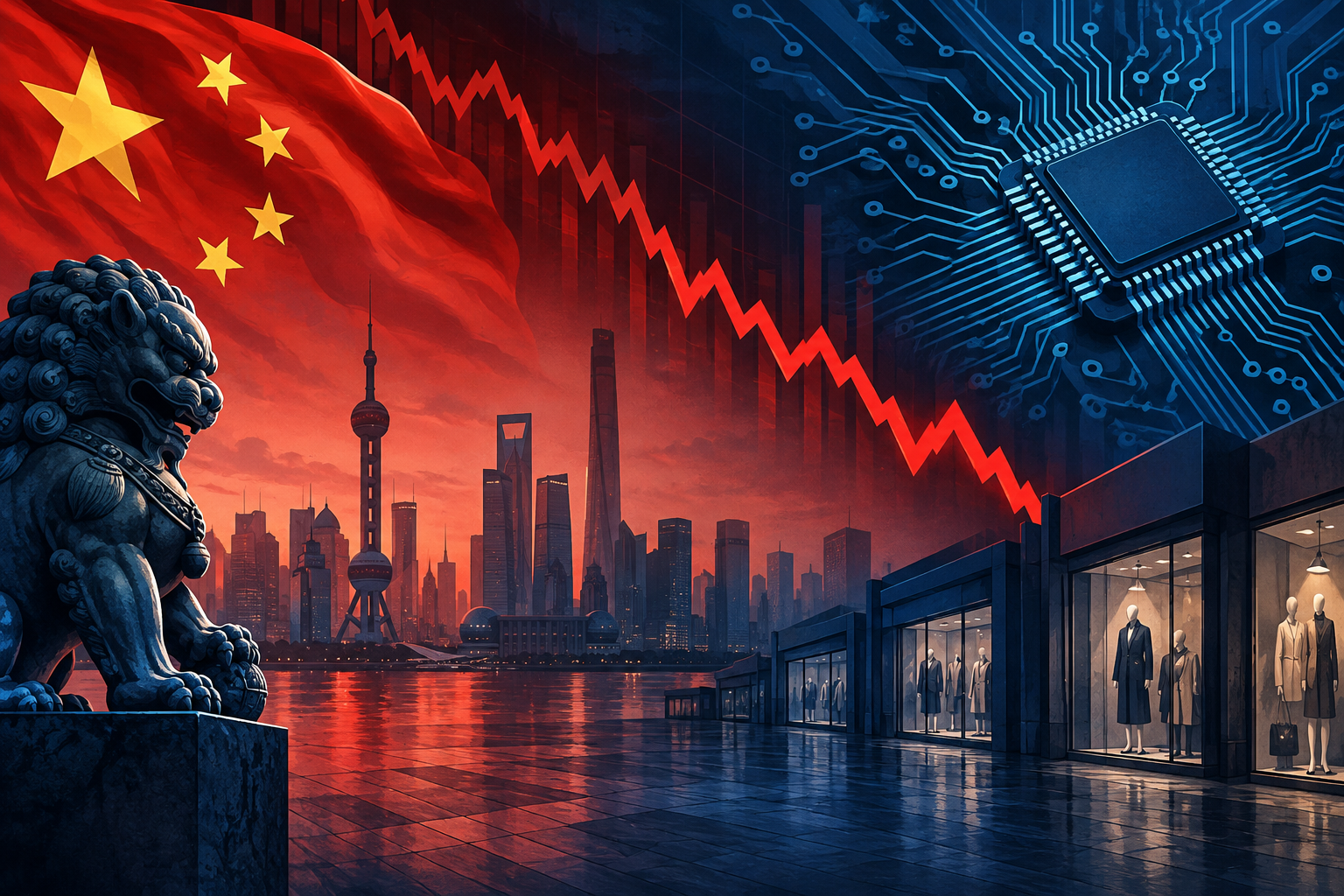
Chinese stocks have entered a bear market, with the CSI 300 closing 1.8% lower on Thursday, October 22, taking its fall from a June high to 20%. The Economic Times Markets reported that China’s onshore equities have shed $2.4 trillion in market value since their May peak, citing data compiled by Bloomberg.
The selloff has also hit Chinese companies listed in Hong Kong. Persistent weakness in consumption and growing doubts about whether heavy artificial intelligence investment will produce sufficient profits have undermined a rally previously fuelled by policy support and enthusiasm for technology.
A stimulus-led rally unwinds
The downturn reverses gains that began with Beijing’s stimulus push in late 2024 and subsequently gathered pace as investors backed AI-related businesses. Chinese technology shares later came under pressure during a broader global retreat from the sector.
Policymakers have increased measures intended to support markets, but investors remain disappointed by the absence of a broad spending package and economic growth that is only narrowly meeting national targets, the report said.
The CSI 300 and the Hang Seng China Enterprises Index have each lost more than 10% this year, placing them among the weakest major equity benchmarks globally. Most major peers have advanced. Those year-to-date losses are distinct from the CSI 300’s 20% decline from its June high and the broader onshore market’s dollar-value loss since May.
AI spending faces a tougher earnings test
The Hang Seng Tech Index has fallen 31% this year and is nearing the point of surrendering all its gains since Beijing’s September 2024 stimulus package. Investors are questioning whether the enormous outlays of large cloud and AI infrastructure operators will deliver adequate returns.
Early excitement around technological advances associated with DeepSeek, together with strong state backing, had pushed Chinese technology valuations higher. That left shares exposed when sentiment weakened. Previously favoured startups and major companies including Alibaba Group Holding have since been among the hardest hit as investors reassess future AI demand and earnings.
Jeremy Tan, chief executive officer of Singapore-based Tiger Fund Management, said Chinese technology shares trade at a substantial discount to global peers. However, weak earnings growth and the possibility of earnings dilution could keep prices moving sideways or lower unless a significant catalyst emerges.
Analysts warn the weakness could persist
Fu Zhifeng, chief investment officer at Shanghai Chengzhou Investment Management, warned that the speed of the decline could signal further losses. He identified weak domestic demand, uncertainty over the justification for large AI investments, and European and US government bond yields as continuing pressures on investor decisions.
Some analysts cited in the report expect the market’s difficulties could continue into 2027. That is an outlook rather than an established outcome: their assessment depends on whether policy and the factors weighing on demand and earnings change materially.
Who's who
Fu Zhifeng
Chief investment officer, Shanghai Chengzhou Investment Management
Jeremy Tan
Chief executive officer, Tiger Fund Management
Fact-check this story · Source: Economic Times Markets: Dragon enters bear cave with $2.4 trillion lost since May peak. This AI-assisted account is based on the linked source, not independent on-the-ground reporting by BharatVox. Any opinion is separately labelled.
Join the conversation (0)
Sign in to share your view on this story.