PUBLIC HEALTH
Shamonda virus: France reports first known human case
French authorities have reported the first documented human Shamonda virus infection in a severely immunocompromised patient who died in early October. The route of infection remains under investigation, and the WHO says wider spread appears unlikely on current evidence.
BharatVox ·
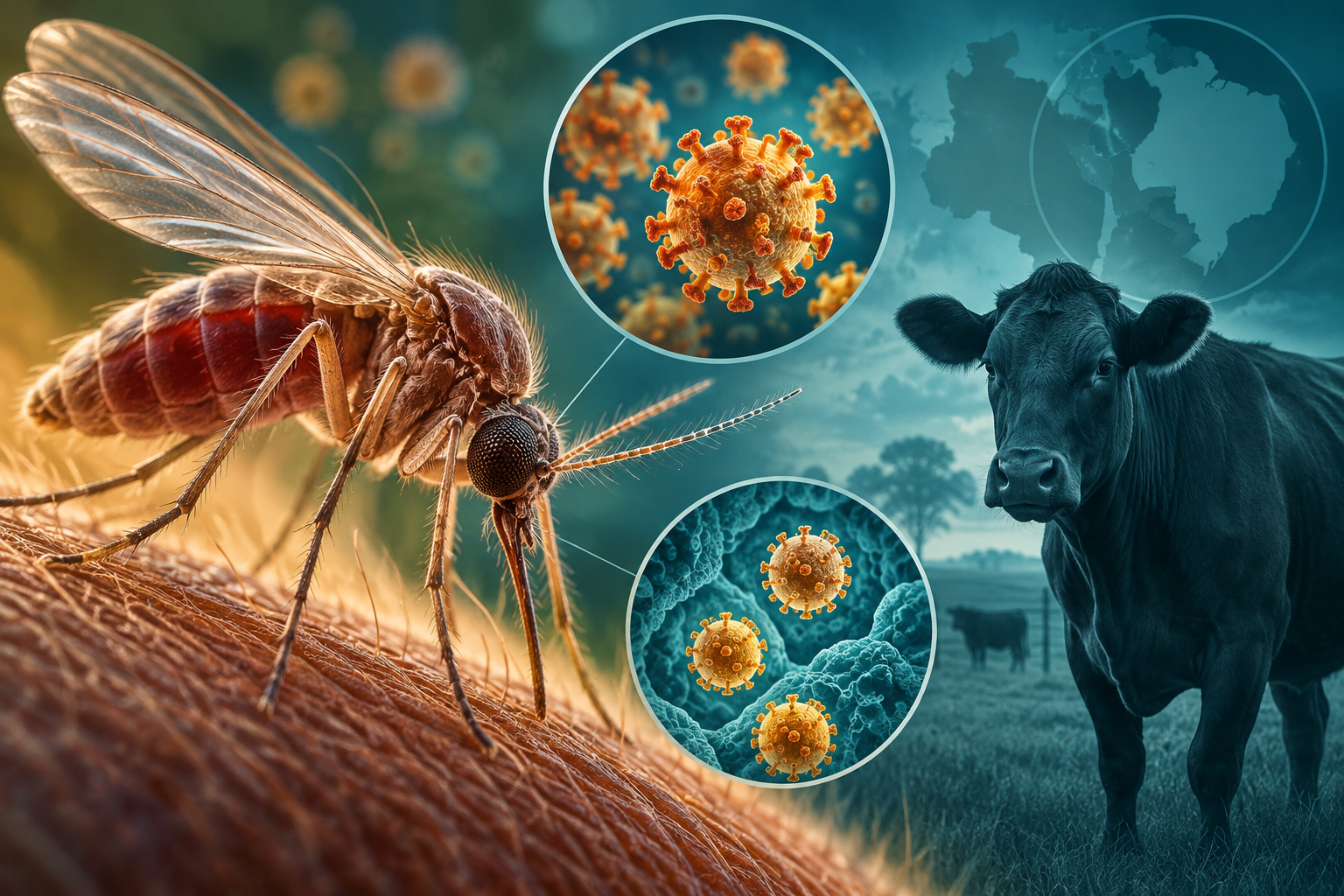
French authorities said on 22 October that they had identified the first known human infection with Shamonda virus in a severely immunocompromised patient who died earlier in the month. Officials described the infection as exceptional and said there was no current risk to the public, BBC News reported.
The patient was receiving treatment for a serious illness at a hospital in Lyon and developed neurological complications. France’s health and agriculture ministries said preliminary findings suggested those complications were very likely connected to the virus. That assessment does not establish that Shamonda caused the patient’s death.
Suspected midge-borne infection under investigation
Investigators currently suspect the patient acquired the infection through a midge bite in eastern France. The ministries said animal cases had been identified there in the spring, but the route by which the virus reached the patient remains under investigation.
Shamonda virus, also known as Shav, mainly infects cattle and can be transmitted by infected midges. In dairy herds, it can cause fever, diarrhoea and reduced milk production. Infections have also been recorded in sheep, goats, alpacas and horses.
French officials said the virus had previously been regarded as non-transmissible to people, despite circulating among animals in Africa and Asia for decades. They emphasised that the patient’s weakened immune system had increased their vulnerability to illness.
WHO sees limited spread risk, with assessment pending
The World Health Organization confirmed that this was the first documented human case. It had not yet completed a formal risk assessment, but said the information available and knowledge of similar diseases suggested an isolated infection, with wider spread unlikely at present.
The WHO also noted that transmission of midge-borne viruses generally falls during cooler months. The European Centre for Disease Prevention and Control said it was working with French and European partners to examine the infection’s possible public-health implications.
The ECDC dated the first identified European cases to late July and said the virus had since been detected in farm animals in Ireland, Germany, Italy, Spain and Jersey. That timing differs from the French ministries’ reference to animal cases in eastern France in spring; the basis for the difference was not explained.
Fact-check this story · Source: BBC News: First human case of Shamonda virus detected in France, officials say. This AI-assisted account is based on the linked source, not independent on-the-ground reporting by BharatVox. Any opinion is separately labelled.
Join the conversation (0)
Sign in to share your view on this story.