DRUG CRISIS
Synthetic drugs reshape US crisis as dangerous mixtures spread
Reporting from Ohio and Illinois describes an increasingly unpredictable drug supply, with veterinary sedatives mixed into fentanyl and synthetic cannabinoids entering jail on soaked paper. Recovery workers and officials warn that falling national overdose deaths do not mean the danger has passed.
BharatVox ·
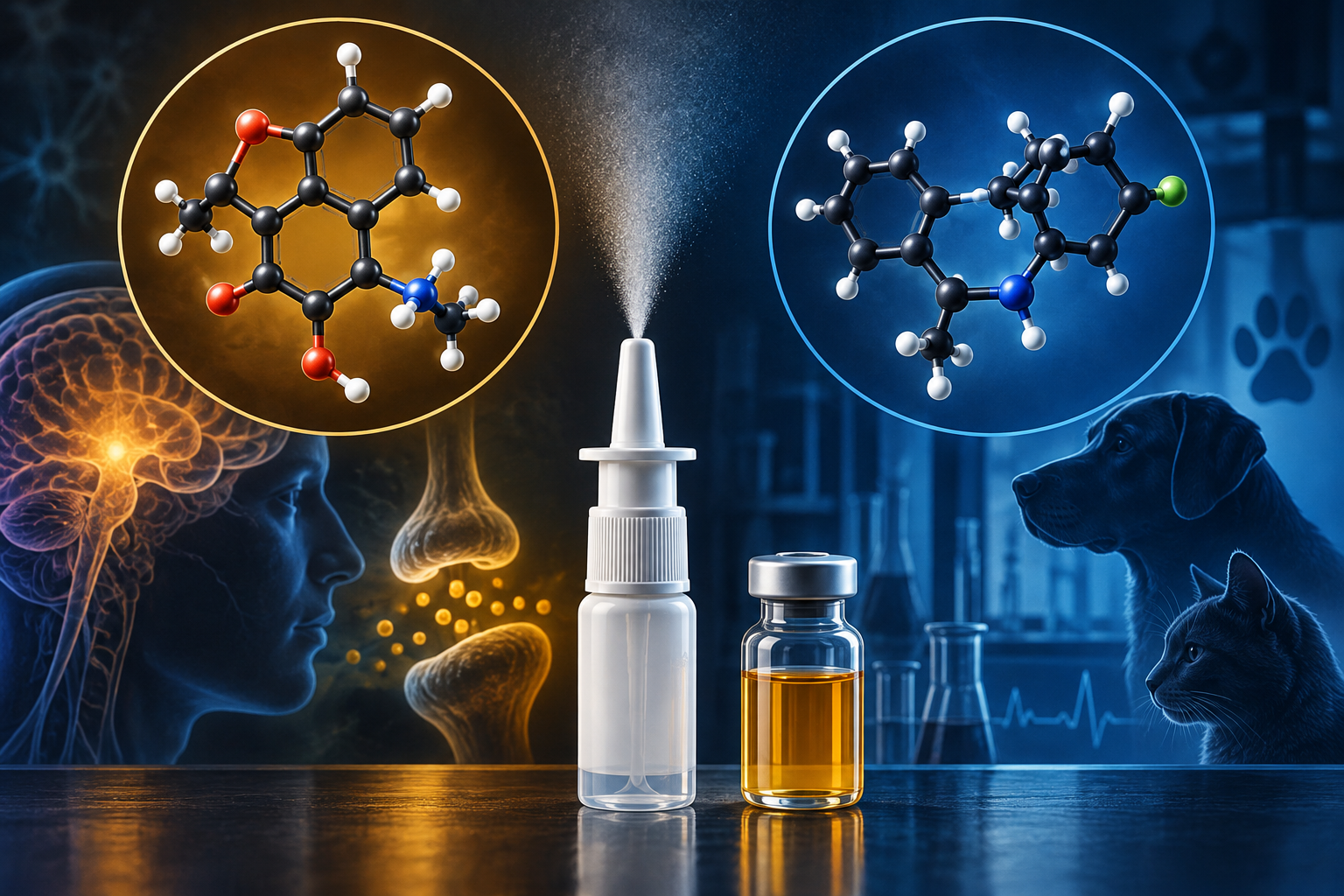
Veterinary sedatives mixed into street drugs and synthetic cannabinoids smuggled into jail on paper are complicating the US overdose response, according to BBC News reporting published on October 18 from Columbus, Ohio, and Chicago, Illinois. Recovery workers and jail officials describe a drug supply whose contents increasingly differ from what buyers expect.
The report puts annual US overdose deaths at around 70,000 in 2025, down from roughly 110,000 in 2022, and identifies wider access to naloxone as an important contributor to that decline. But interviews with people using drugs, recovery workers and Cook County Sheriff Tom Dart suggest that changing mixtures present dangers not captured by the national downward trend.
Sedatives complicate overdose response
In Columbus, Mike, a 48-year-old army veteran with a two-decade history of opioid addiction, said he believed his fentanyl contained veterinary tranquillisers. A drug-testing kit he submitted through a local sampling programme tested positive for medetomidine, supporting his concern that the substance was not fentanyl alone.
Medetomidine and xylazine are sedatives found in mixtures containing fentanyl. They can suppress breathing, while xylazine is also associated with severe skin wounds. Naloxone reverses opioid effects, but it does not reverse these non-opioid sedatives. That distinction does not make naloxone useless in a mixed overdose: it can still address the opioid component, while emergency medical care remains essential.
Scott Sanders, who runs the Hope Dealer Community recovery group in Columbus, said people purchasing crack cocaine were also encountering fentanyl and other unexpected substances. He described buyers overdosing without knowing that their stimulant supply contained opioids.
Sanders said 78% of fatal overdoses in Franklin County over the preceding 12 months were linked to stimulants. That is his reported figure; the account does not establish that these were stimulant-only deaths. His organisation participates in a drug-sampling programme with the US Centers for Disease Control and Prevention, sending swabs from used equipment for laboratory testing.
Cook County jail confronts drug-soaked paper
At Cook County jail, Dart traced a change in the threat to 2023, when staff began finding burned paper near prisoners who had died or needed resuscitation. The facility recorded eight deaths from fatal seizures that year, compared with its usual one or two overdose deaths annually, according to the report.
The account attributes the seizures to synthetic cannabinoids, sometimes sold as K2. Drugs had been soaked into letters and book pages, bypassing security arrangements designed to detect more conventional contraband. Surveillance footage showed prisoners collapsing and using microwaves to ignite paper.
Incoming mail is now screened for moisture. The report says roughly one-fifth to one-quarter of letters and packages trigger the screening and are rejected. A positive moisture screen, however, should not be read as laboratory confirmation that every rejected item contains drugs.
Recovery workers press for treatment alongside enforcement
An anonymous Chicago dealer, described in the report as supplying fentanyl for Mexican cartels, claimed that intensified US enforcement had not disrupted his supply from Mexico. His account offers one dealer's perspective, not independent evidence of the condition of trafficking networks nationwide.
Dart argued that enforcement alone cannot resolve a market increasingly supplied by synthetic drugs that can be produced domestically. He called for substance-use treatment to take a central role and pointed to recovery programmes operating in his jail.
In the Chicago area, Liv4Lali recovery worker Karen Bell described increasingly unpredictable mixtures and serious wounds among people she assists. Her organisation distributes strips to test for fentanyl, medetomidine, xylazine and other adulterants. The report also describes a vending machine at an Oak Park transit station dispensing naloxone free of charge.
Bell, who said she had been free from hard drugs for 17 years, offered a personal example of recovery. She stopped using heroin while held in Cook County jail during her pregnancy. Her experience underlines the distinction at the centre of the report: reducing deaths is vital, but sustained recovery requires more than an emergency antidote.
Who's who
Tom Dart
Cook County sheriff
Scott Sanders
Leader of the Hope Dealer Community recovery group
Karen Bell
Recovery worker with Liv4Lali
Fact-check this story · Source: BBC News: A wave of homemade, synthetic drugs sweeps US and deepens crisis. This AI-assisted account is based on the linked source, not independent on-the-ground reporting by BharatVox. Any opinion is separately labelled.
Join the conversation (0)
Sign in to share your view on this story.