RUSSIA SANCTIONS
Trump’s Russia sanctions waiver draws bipartisan backlash
Donald Trump’s reported waiver of Russia sanctions has drawn criticism from Republicans and Democrats. Congress is on recess until after the November 3 election, leaving an immediate legislative challenge uncertain.
BharatVox ·
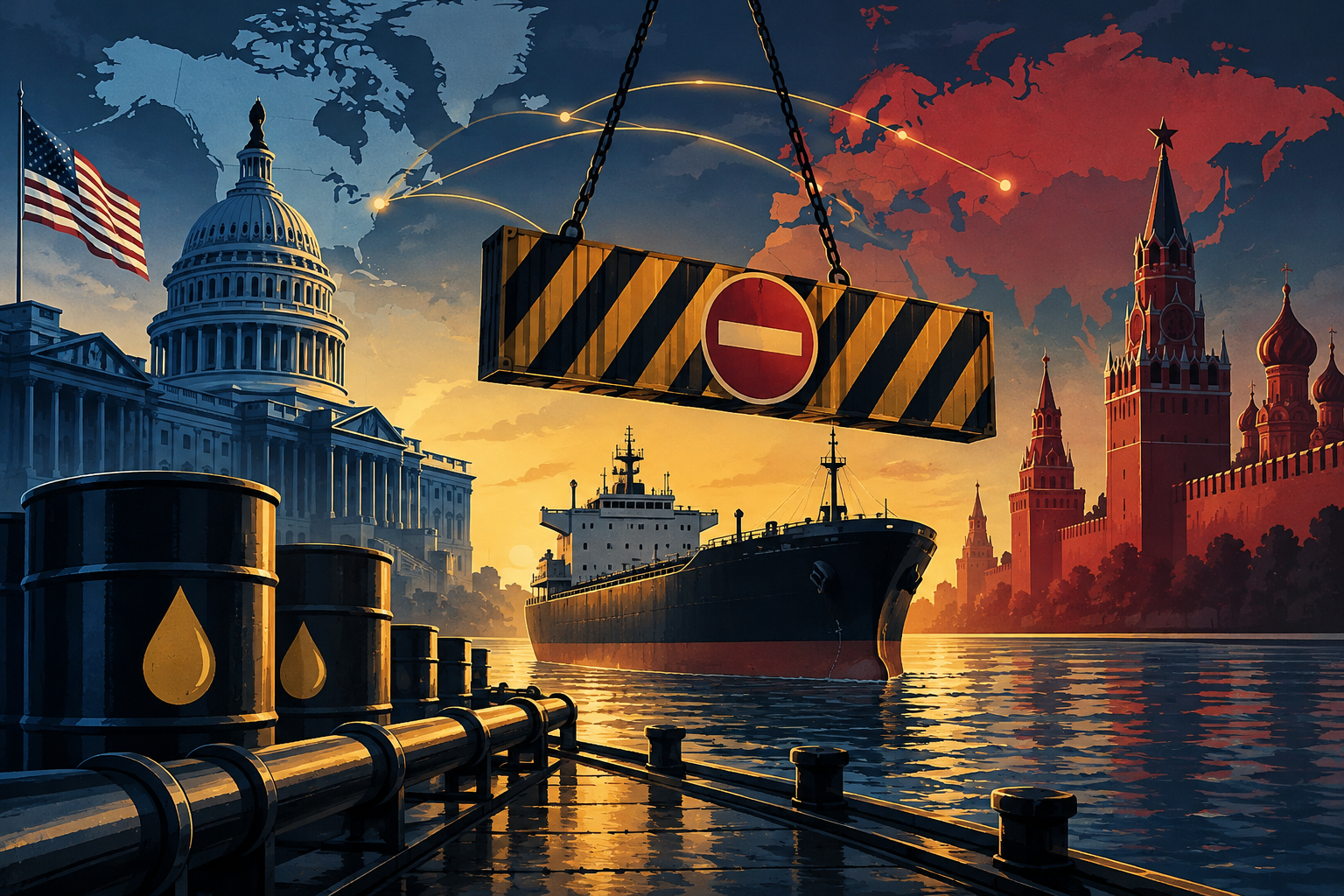
US President Donald Trump signed an executive order waiving sanctions on Russia on Friday, October 16, shortly before major provisions were due to take effect on Sunday, drawing criticism from both parties in Congress, The Economic Times reported. With lawmakers away until after the November 3 election, an immediate congressional response appeared unlikely.
The report describes a widening dispute over a sanctions law that passed the Senate 86–11 and was intended to intensify economic pressure on Moscow over its war against Ukraine. Trump cited national security concerns for the waiver, while critics argued that he was undermining legislation he had signed about a month earlier.
Conflicting signals over the waiver’s duration
The account says Trump initially indicated that the sanctions would be waived indefinitely. But his subsequent remarks, and those of Secretary of State Marco Rubio, left the administration’s timetable unclear.
Speaking at a fundraising dinner at his Florida estate on Saturday, Trump maintained that reporters did not yet know his sanctions decision, despite the order signed the previous evening. He defended his approach as serving US and wider international interests.
Separately, before departing for Central Asia, Rubio suggested a 60-day review of the effects that proposed sanctions on Russia and other countries could have on the US and global economies. He cited existing tariffs, elevated energy prices and the Iran war as factors in that assessment. The account does not resolve how that review relates to the reported indefinite waiver.
Lawmakers challenge the retreat from sanctions
Republican senators Rick Scott and Thom Tillis criticised the move, with Scott advocating continued economic pressure on Russia and Tillis pointing to the Senate’s overwhelming vote. Democratic Senate leader Chuck Schumer argued that the decision would bolster Russia’s economy, while Senator Elizabeth Warren urged lawmakers to reverse course.
Ukrainian President Volodymyr Zelenskyy called on supporters to press for the sanctions as Ukraine faced another winter of Russian attacks on its energy infrastructure, according to the report.
The legislation, identified as the Lindsey Graham Russian Sanctions Act, was designed to impose steep tariffs on countries buying substantial quantities of Russian oil and other energy products. A bipartisan group of senators had also recently urged tougher action against the tanker network used to transport Russian oil around sanctions.
Diesel deal becomes a separate congressional target
The waiver followed Trump’s announcement of a deal to import Russian diesel, presented as an effort to ease high US fuel prices ahead of the midterm elections. The report gives no precise supply volume or price terms.
Representative Gregory Meeks, the senior Democrat on the House Foreign Affairs Committee, introduced legislation on Friday to block that agreement. He accused Trump of pursuing a corrupt, self-enriching arrangement with Moscow; the account presents no evidence establishing personal enrichment.
Whether either initiative can advance remains uncertain. Both chambers are on recess, and the report identifies no immediate legislative mechanism that lawmakers have secured to overturn the waiver or stop the fuel deal.
Fact-check this story · Source: The Economic Times: Trump’s Russia sanctions waiver sparks Congress fury. This AI-assisted account is based on the linked source, not independent on-the-ground reporting by BharatVox. Any opinion is separately labelled.
Join the conversation (0)
Sign in to share your view on this story.